If you’re thinking about upgrading your home’s hot water system, a tankless water heater may be worth considering.
More homeowners are making the switch to tankless systems because they offer energy efficiency, reliable performance, and a more compact design than traditional storage tank models. But choosing the right system depends on more than simply picking the biggest or most expensive unit.
At Roto-Rooter CA, our licensed plumbers help homeowners find water heater solutions that fit their household size, daily hot water usage, and long-term budget goals.
Whether you’re replacing an aging water heater or planning a new installation, understanding how tankless systems work can help you make a more confident decision.
Is a Tankless Water Heater Right for Your Home?
Unlike traditional water heaters that continuously store and heat water in a tank, a tankless water heater heats water only when you need it.
Often called an on-demand water heater or instant hot water heater, these systems activate when you turn on a hot water fixture like a shower, faucet, dishwasher, or washing machine.
For many households, that means greater energy efficiency and less wasted energy from keeping a storage tank hot around the clock. Tankless systems are also known for their space-saving design and ability to provide a continuous supply of hot water.
A tankless water heater may be a strong fit for homeowners who:
- Want to lower energy usage over time
- Need more consistent hot water for larger households
- Have limited installation space
- Are remodeling or upgrading older plumbing systems
- Want a longer-lasting alternative to a traditional tank heater
However, the right system depends on several important factors, including your home’s hot water demand, fuel source, plumbing setup, and installation requirements. Proper tankless water heater installation is especially important because sizing and configuration directly affect performance.
This guide will walk through the key differences between tankless and traditional systems, explain how sizing works, and help you understand what to expect before installation.
Tankless vs. Traditional Tank Water Heaters
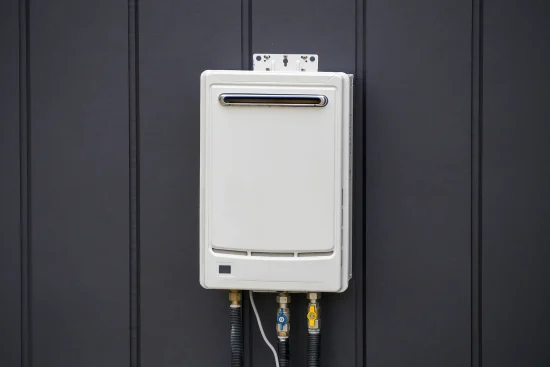
One of the biggest differences between a traditional water heater and a tankless hot water heater is how the systems heat water.
Traditional tank water heaters store heated water in a large tank and continuously work to maintain the set temperature. While effective, this process can lead to standby energy loss because the unit keeps reheating water even when no one is using it.
A tankless water heater works differently. Instead of storing hot water, it heats water as it passes through the unit’s heat exchanger. This allows homeowners to access hot water on demand while reducing unnecessary energy consumption.
Benefits of Tankless Water Heaters
Many homeowners choose tankless systems because they offer:
- Improved energy efficiency
- Continuous hot water during normal household use
- A compact, wall-mounted design that saves space
- Longer system lifespan compared to many traditional tank units
- Reduced standby heating costs
Tankless systems can also be especially helpful for growing families or homes with higher daily water usage.
When a Traditional Tank Water Heater May Still Make Sense
While tankless systems offer many advantages, they may not be the best fit for every home. In some situations, a traditional tank water heater may still be a practical option, especially for homeowners prioritizing lower upfront installation costs or simpler replacement projects.
The best choice often depends on:
- Household size
- Existing plumbing and utility setup
- Hot water usage habits
- Budget considerations
- Available installation space
A professional plumber can evaluate your current system and help compare both options based on your home’s specific needs.
Where Hybrid Water Heaters Fit In
Hybrid water heaters are another option some homeowners consider. These systems combine traditional water storage with heat pump technology to improve energy efficiency. While hybrid units can help reduce energy usage, they still rely on a storage tank and typically require more installation space than a tankless water heater.
How to Choose the Right Size Tankless Water Heater
Choosing the right size tankless water heater is one of the most important steps in the installation process. A unit that’s too small may struggle to keep up during peak usage times, while an oversized unit could lead to unnecessary installation costs.
Tankless water heater sizing is typically based on two main factors:
- Flow rate (gallons per minute or GPM)
- Temperature rise
Understanding Flow Rate
Flow rate refers to how much hot water your household uses at one time. Every appliance and fixture that uses hot water contributes to your home’s total demand.
Common hot water fixtures include:
- Showers
- Bathroom sinks
- Kitchen faucets
- Dishwashers
- Washing machines
For example, if two showers and a dishwasher are running at the same time, your system needs enough capacity to handle that combined demand without losing water temperature.
Why Climate Matters
Incoming groundwater temperatures can also affect sizing requirements. In cooler climates, the water entering your plumbing system starts at a lower temperature, meaning the tankless unit has to work harder to heat it.
That’s why professional sizing matters. A licensed plumber can calculate the proper flow rate and temperature rise needed to match your household’s usage patterns.
Electric vs. Gas Tankless Water Heaters
Another important decision is choosing between an electric tankless water heater and a gas-powered system.
Both options can provide reliable hot water, but the right choice depends on your home’s utilities, hot water demand, and installation setup.
Electric Tankless Water Heaters
An electric tankless water heater may work well for:
- Smaller homes or apartments
- Point-of-use applications
- Homes without natural gas service
- Lower overall hot water demand
Electric systems are often compact and energy efficient, but some homes may require electrical panel upgrades or dedicated circuits to support installation.
Gas Tankless Water Heaters
Gas-powered tankless systems are often better suited for:
- Larger households
- Homes with multiple bathrooms
- Higher simultaneous hot water demand
Because gas systems can typically support higher flow rates, they’re often preferred for families with heavier water usage.
However, gas tankless water heater installation may involve additional venting requirements, gas line sizing, and placement considerations. A professional plumber can help determine whether your existing system can support the upgrade safely and efficiently.
Why Professional Tankless Water Heater Installation Matters
Installing a tankless water heater is more complex than simply swapping out one appliance for another. Proper installation often involves plumbing adjustments, electrical work, venting configuration, gas line evaluation, and drainage considerations.
Improper installation can lead to:
- Inconsistent hot water
- Reduced energy efficiency
- Water leaks
- Venting or code issues
- Premature system wear
Professional tankless water heater installation helps ensure the system is properly sized, safely connected, and configured for long-term performance.
Tankless Water Heater Maintenance
Like any plumbing system, tankless water heaters also benefit from regular maintenance. In areas with hard water, mineral buildup can affect the heat exchanger over time, reducing efficiency and performance.
Routine tankless water heater maintenance may include:
- System flushing and descaling
- Cleaning filters and components
- Inspecting venting connections
- Checking for proper water pressure and flow
Regular service can help improve efficiency, extend system lifespan, and reduce the risk of unexpected repairs.
Choose the Right Tankless Water Heater With Help From Roto-Rooter CA
Upgrading to a tankless water heater can improve comfort, energy efficiency, and long-term performance. Choosing the right system depends on your home’s hot water needs, fuel source, and installation requirements.
Roto-Rooter has helped homeowners across California communities choose dependable water heater solutions for years.
From tankless water heater installation to ongoing maintenance, our experienced plumbers are ready to help you find the right fit for your home.