You rely on your home’s plumbing every single day for everything from cooking to cleaning to showering to laundry. Because water is such a constant part of daily life, it is easy to take its quality for granted. However, if you have noticed stubborn white spots on your wine glasses, itchy skin after a shower, or a strange lack of bubbles when you wash your hands, your household might be dealing with hard water.
Water is an excellent solvent, meaning that before it even enters your home, it picks up a lot of what it touches as it moves through the ground. In many regions, groundwater travels through thick deposits of limestone and chalk. As it does, the water dissolves and then collects high concentrations of minerals, primarily calcium and magnesium. When water contains an excess of these specific minerals, it’s officially classified as hard water.
Hard water is an incredibly common issue for homeowners in California. While it isn’t a direct hazard to your health, it can take a serious toll on your plumbing system, your appliances, and your wallet. If you’re unsure if you need a water softener for your home, let’s break down how these systems work, the telltale signs of mineral issues, and, if you decide you need one, how to choose the right solution for your home.
How Do Water Softeners Work?
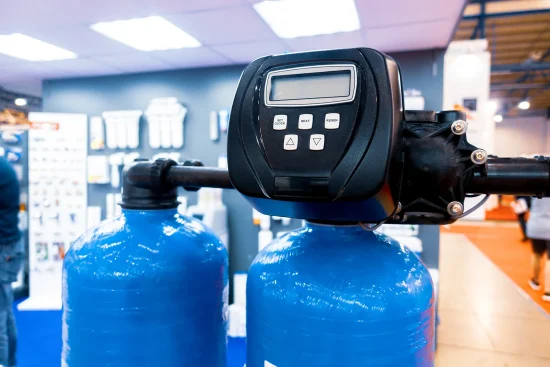
To combat the calcium and magnesium, a water softener system acts as a filtration gatekeeper for your whole house. Most traditional systems use a scientific process called ion exchange to neutralize these minerals. The main tank of a water softener contains a bed filled with thousands of tiny, negatively charged resin beads.
When hard water enters the tank, the positively charged calcium and magnesium are naturally attracted to the beads. The minerals stick to the beads, which strip them from the water supply, while a harmless trace amount of sodium is released to maintain balance.
Over time, these beads become coated in those minerals, prompting the system to run an automatic regeneration cycle. This cycle flushes the water softener tank with a saltwater brine solution to clean the beads and wash the minerals that have stuck to them safely down the drain. By installing a whole-home system rather than small, point-of-use filters on individual faucets, you protect every pipe and appliance in the building. By eliminating mineral build-up at the point of entry, a water softener makes sure that the water running through your water heater, washing machine, and showerheads is completely “soft,” meaning it’s clear of heavy mineral loads.
Common Signs of Hard Water in Your Home
Despite its name, hard water looks no different from soft water, and doesn’t look muddy or smell foul, so it can be hard to detect just by looking into a filled glass. Instead, you have to look at the side effects it leaves behind on your fixtures, your dishes, and even your body. Identifying these symptoms early can save you from even more costly repairs down the road.
Persistent Water Stains and Crusty Fixtures
If you constantly scrub your bathroom and kitchen sinks only to find chalky white rings returning a few days later, you are dealing with hard water stains. When hard water evaporates on a surface, it leaves the dissolved calcium and magnesium minerals behind. This creates a hard, chalky crust around the base of your faucets, inside the toilet bowl, and on shower doors.
Stubborn Soap Residue on Dishes and Tubs
If you’ve pulled your plates out of the dishwasher only to find them looking cloudy, filmy, or covered in spots, you’ve got hard water. Hard water prevents dish soap and laundry detergent from dissolving properly, so instead of creating the rich lather necessary for cleaning, the soap bonds with the minerals to create a sticky residue. This residue clings to your glassware, dulls your silverware, and leaves a stubborn layer of soap scum on your bathtub tiles that requires heavy scrubbing to remove.
Dry Skin and Dull, Brittle Hair
The same soap residue that sticks to your shower walls also sticks to your body. When you rinse off with hard water, the mineral film prevents your skin from retaining its natural moisture. This often leads to chronic dry, itchy skin, and it can worsen skin conditions, such as eczema. Mineral deposits can also coat your hair strands, leaving your hair feeling weighed down, brittle, and difficult to manage after a shower, no matter how much conditioner you use.
Scale Build-Up on Appliances
While the stains on your sink are annoying and the most prominent sign, the real danger is the scale build-up you might not be able to see. When hard water is heated, the minerals solidify into a rock-like scale. This scale accumulates inside your water heater, coffee maker, dishwasher, and washing machine. It also coats heating elements, forcing your appliances to work twice as hard to do their jobs, which can drive up your monthly utility bills and shorten the lifespan of expensive household appliances.
Decreased Water Pressure
As mineral build-up accumulates inside your pipes over a long period of time, the interior diameter of the pipe constricts. This restricts the overall volume of water that can flow through your plumbing system at any given time. If you have noticed a gradual and sort of mysterious drop in your shower’s water pressure, clogged pipes due to mineral scaling could be the culprit.
Replacing or Maintaining Your Current Water Softener
Even if you already own a home water softener, you aren’t completely off the hook. Like any plumbing appliance, these systems require ongoing care and will eventually wear out. On average, a high-quality water softener system lasts between 10 and 15 years. Regular water softener maintenance, like checking the salt levels monthly, breaking up salt bridges in the brine tank, and using a specialized cleaner once a year, will help your system reach the double-digit mark.
If you already have a softener but notice that your skin feels dry again or that spots are reappearing on your glassware, your system may be struggling. A major warning sign will be found during regular maintenance, like if you notice a drastic change in salt usage, whether your system is suddenly burning through bags of salt, or if the level hasn’t dropped at all in a month. You might also notice a noisy, frequent regeneration cycle or find tiny, yellow-orange resin particles clogging your faucet aerators, which means the internal screen has broken.
When deciding between a water softener repair and a total water softener replacement, age is the biggest factor. If your system is less than seven years old, a targeted repair, like replacing a worn-out motor or cleaning out a clogged valve, can be an effective fix. However, if the system is well past its tenth year and the main resin tank or control valve fails, investing in a replacement is usually the smarter financial choice. Modern systems are significantly more water and salt-efficient than models built a decade ago, which will save you money on utility costs over time.
Commercial Water Softeners: Beyond the Home
While residential properties make up the majority of hard water complaints, commercial properties face even steeper risks. Businesses rely on heavy-duty water systems to keep their operations running smoothly, and mineral issues can ruin extremely expensive commercial equipment quickly.
In restaurants and commercial kitchens, hard water spoils the taste of fountain drinks, leaves spots on silverware, and destroys expensive dishwashers and ice machines via internal scaling. For apartment buildings or multi-family housing, landlords can face massive plumbing overhead costs when scale build-up ruins central boiler systems and clogs the plumbing lines of dozens of tenants simultaneously. Office facilities and industrial sites also require soft water to keep commercial water heaters and HVAC cooling towers operating efficiently to prevent premature breakdown. Whether you run a small boutique or manage a large warehouse, installing dedicated commercial water softener systems protects your infrastructure and lowers your energy costs.
The Hidden Risks of a DIY Water Softener Installation
With so many home improvement tutorials available online, it can be tempting to purchase a unit at a big-box store and attempt a DIY water softener installation over the weekend. However, it’s worth noting that tying a complex piece of water treatment equipment directly into your home’s main water supply lines carries significant risks that can cost you more in the long run if you don’t do it correctly.
First, water softeners are not one-size-fits-all appliances. To choose the right unit, you have to accurately calculate your home’s daily water usage alongside the exact grains of hardness in your water supply. If you buy a system that’s too small, it will wear out prematurely from constant cycling, while an oversized system wastes money up front.
Beyond sizing, the physical installation requires cutting directly into your main cold water line before it splits off to your water heater. This requires precise plumbing connections and specialized pipe fittings. A single mistake can lead to something as small as hidden slow leaks behind walls or something as major as accidental flooding.
Furthermore, a water softener must discharge its wastewater safely during the regeneration cycle. Code requirements dictate specific air gaps and dedicated drain lines to ensure that sewer gas or gray water can never back up into your clean drinking water supply. Professional plumbers know best how to navigate these local building codes. Finally, many top-tier manufacturers explicitly state that the equipment warranty is only valid if the system is installed by a licensed professional, meaning a DIY mistake could leave you footing the bill for a total system replacement out of pocket. Choosing professional water softener installation will make sure that your system operates safely, efficiently, and legally.
Frequently Asked Questions
What are the signs of hard water?
The most obvious indicators include chalky white scale build-up on your fixtures, white spots on your glassware, a stubborn film of soap scum on your shower walls, and feeling itchy or dry after washing your hands or bathing.
How much does water softener installation cost?
The total cost of a professional water softener installation varies depending on the size of your home, the severity of your hard water, the cost of the water softener itself, and whether your home is already pre-plumbed with a loop for a softener. Contact a local plumber for an on-site evaluation and a transparent, written quote tailored to your specific setup.
How long does a water softener system last?
With routine maintenance and proper salt management, a high-quality residential water softener typically lasts between 10 and 15 years.
Can hard water damage plumbing?
Yes. Over time, the calcium and magnesium minerals crystallize inside your copper or PEX pipes, creating an internal crust. This restricts water flow, reduces your water pressure, and drastically shortens the lifespan of your water heater, dishwasher, and washing machine.
What size water softener does my home need?
The correct size depends on the number of people living in your home and the hardness level of your local water supply, measured in grains per gallon (GPG). A licensed plumbing expert can run a quick water test and calculate the exact capacity your family needs so that you never run out of soft water.
If you suspect hard water is taking a toll on your home’s plumbing, appliances, or comfort, do not wait for a major pipe clog to address the issue. Reach out to your local plumbing experts today to schedule a comprehensive water quality test and discover the perfect water softener solution for your household.
Call us today!