If you own a home in California, there is a growing issue that may already be affecting your insurance, even if you have not noticed it yet. Insurance companies are taking a much harder look at galvanized pipes, and in many cases, those pipes are becoming a reason for higher premiums, policy restrictions, or even nonrenewal.
For many homeowners, this comes as a surprise. The plumbing may still be working, there may be no visible leaks, and everything can appear fine during a walkthrough. But insurance companies are no longer just looking at what is happening today. They are evaluating long term risk, and galvanized plumbing is increasingly falling on the wrong side of that equation.
What Are Galvanized Pipes and Why Do They Fail
Galvanized pipes were widely installed in homes built before the 1960s, which makes them especially common across California where older housing inventory is still a major part of the market. These pipes are made of steel and coated with zinc to resist corrosion. Decades ago, they were considered a durable and reliable solution.
The problem is that the protective coating does not last forever. As it breaks down, corrosion begins forming inside the pipe, slowly restricting water flow and weakening the structure from within. According to industry guidance on aging plumbing systems, galvanized pipes are especially prone to internal buildup that is not visible from the outside [3].
What makes galvanized plumbing particularly risky is that the damage is usually hidden. A pipe can look completely normal from the outside while significant corrosion is building inside. Over time, this can lead to reduced water pressure, discolored water, and eventually leaks or sudden pipe failure.
Why Insurance Companies See Galvanized Pipes as High Risk
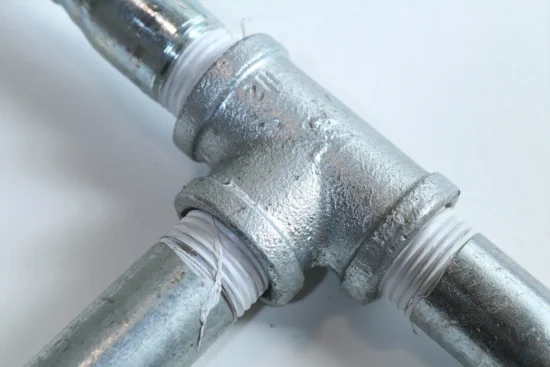
From an insurance perspective, unpredictability is the biggest concern. Water damage is one of the most frequent and costly types of homeowners insurance claims. According to the Insurance Information Institute, water damage and freezing account for a large share of property damage losses each year, with average claims often exceeding $10,000 [1].
When an insurer evaluates a home with aging galvanized pipes, they are not just looking at the current condition. They are assessing the likelihood of a future claim. Older plumbing systems significantly increase that probability, especially when corrosion is already occurring inside the pipes.
Insurance providers also consider how quickly damage can occur. A failed galvanized pipe can release a large amount of water in a short period of time, leading to structural damage, mold growth, and expensive repairs. This level of risk makes these systems a major red flag during underwriting.
California Insurance Trends and Stricter Underwriting
California homeowners are already facing a more challenging insurance environment. With rising costs, wildfire exposure, and increased regulatory pressure, insurers are becoming more selective about the homes they insure.
Outdated systems like galvanized plumbing are being flagged more frequently during underwriting reviews. Industry sources highlight that aging infrastructure, including older plumbing systems, is playing a growing role in underwriting decisions across California [4].
Homeowners are now seeing more detailed questions during the application process about plumbing type and age. In some cases, inspections are required. In others, policies are issued with exclusions related to plumbing systems, or renewal offers are denied until updates are made. Some insurers may even require proof that galvanized pipes have been replaced before approving coverage [2].
Why Many Homeowners Do Not Know They Have Galvanized Pipes
One of the biggest challenges is awareness. Unlike roofing or siding, plumbing is mostly hidden behind walls, under floors, or in crawl spaces. A home can appear to be in great condition while still having outdated pipes nearing the end of their lifespan.
Many homeowners only discover galvanized plumbing when a plumber performs an inspection or when an insurance company requests documentation. By that point, timelines can be tight and options more limited.
This is why working with experienced plumbers is critical. A professional plumber can quickly identify pipe materials, assess their condition, and recommend next steps before it becomes an urgent issue.
The Best Way to Protect Your Home and Insurance Coverage
The most effective way to handle this situation is to get ahead of it. Identifying the type of plumbing in your home is the first step. If galvanized pipes are present, it is worth seriously considering replacement, even if there are no current problems.
Many homeowners in California are choosing to repipe with copper or PEX. These materials are far more resistant to corrosion and are generally viewed more favorably by insurance companies.
While repiping is not a small project, it can significantly reduce the risk of water damage and eliminate one of the biggest red flags insurers look for in older homes. It also makes it easier to secure coverage and avoid last minute underwriting issues.
Working with licensed plumbers ensures the job is done correctly and up to code. Professional plumbers can also provide documentation that may be required by insurance carriers during underwriting or renewal.
Why Timing Matters More Than You Think
Waiting until an insurance company forces the issue can leave homeowners scrambling. This often results in fewer policy options, higher costs, and rushed decisions.
Taking action earlier gives you more flexibility. You can plan the project, compare options, and work with qualified plumbers on your own timeline instead of reacting to an insurance deadline.
There is also a broader shift happening across the industry. Insurance companies are becoming more data driven and more disciplined in how they evaluate risk. Systems and materials that were once acceptable are now being reassessed under stricter standards. Galvanized pipes are one of the clearest examples of that change, especially in California [5].
At Roto-Rooter, our plumbers are seeing more California homeowners proactively inspect and replace aging galvanized pipes before they become major plumbing or insurance problems. Identifying outdated plumbing early can help reduce the risk of leaks, water damage, and unexpected underwriting issues while giving homeowners more control over repair timelines and costs.
The Bottom Line for California Homeowners
Even if your plumbing appears to be working fine today, insurance companies are looking years down the road. In many cases, galvanized pipes no longer meet their standards.
If you own an older home, this is not something to ignore. Having your system evaluated by a plumber and making upgrades when needed can help you avoid major damage, reduce long term costs, and protect your ability to maintain homeowners insurance coverage.
Plumbers play a key role in helping homeowners stay ahead of these issues. A qualified plumber can identify risks early, recommend modern solutions, and ensure your home meets today’s expectations for safety and reliability.
Sources
[1] Insurance Information Institute — Water damage and freezing claims data and loss trends
https://www.iii.org/article/what-types-homeowners-insurance-coverages-are-available
[2] Policygenius — Plumbing coverage and exclusions in homeowners insurance
https://www.policygenius.com/homeowners-insurance/does-homeowners-insurance-cover-plumbing/
[3] Repipe Specialists — Galvanized pipes and insurance underwriting trends
https://repipe.com/articles/galvanized-pipes-and-home-insurance-explained.html
[4] Community Associations Institute (Bay/Central CA) — Insurance challenges tied to aging infrastructure
https://www.caibaycen.com/blog/aging-infrastructures-changes-in-insurance-underwriting
[5] Ruth Krishnan Real Estate — California homeowner insurance red flags and underwriting trends
https://ruthkrishnan.com/identifying-homeowners-insurance-red-flags-in-california/