A slow-draining kitchen sink or a backed-up bathtub can disrupt your entire household routine. Pouring a retail bottle of liquid or gel down the drain seems like an easy, budget-friendly shortcut to restore order. However, store-bought retail clearers often create far more problems than they solve. While these commercial products promise instant relief, they rely on highly volatile chemical reactions—caustic, acidic, or oxidizing—to burn through blockages.
The core problem with this approach is simple: these liquid products aren’t capable of distinguishing between a dense clog and the pipe itself. Instead of safely clearing the line, these toxic plumbing chemicals can trap intense heat inside your plumbing system and eat away at your home’s infrastructure. Let’s look at when it might be best to step away from the retail aisle and bring in a certified plumber to protect your home.
Pipe Corrosion and Septic System Destruction
Pouring harsh commercial chemicals down your drains poses severe, long-term risks of pipe corrosion in your residential plumbing system. In order to work, acidic or caustic cleaners generate intense chemical heat inside the line. If the liquid sits atop a stubborn, unyielding clog without moving, the trapped heat can melt or warp modern PVC pipe joints. In older homes with cast-iron or galvanized steel lines, these volatile chemical mixtures rapidly accelerate metal degradation, causing structural pipe walls to thin, crack, and trigger hidden leaks behind your walls.
Homeowners who depend on their own independent septic systems face an even greater threat of severe septic tank damage and may require a full septic tank replacement. The harsh ingredients inside store-bought drain cleaners act as an antibiotic once they enter the tank, instantly killing off the natural, beneficial bacteria populations required to break down solid waste. This sudden biological disruption stops the tank from processing waste properly, which causes premature leach field failure and catastrophic raw sewage backups into your yard or home fixtures. Additionally, mixing different brands or chemical formulas out of desperation creates extreme physical danger. Combining distinct chemical bases can produce deadly chlorine or hydrogen gases, or cause the entire mixture to violently erupt backward out of your drain opening.
Why Chemical Cleaners Offer Only Temporary Clog Relief
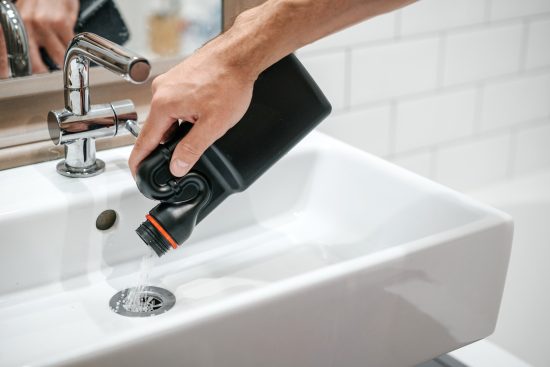
Liquid store products rarely clear a residential pipe completely, no matter what the bottle may promise. Instead, the heavy liquid usually just forces a small, narrow hole through a soft obstruction, providing nothing more than temporary clog relief. Because the core sticky residue, like woven hair clumps, hardened cooking grease, or mineral scale, remains firmly attached to your interior pipe walls, new daily debris immediately begins accumulating in the exact same spot.
This mechanical limitation creates a frustrating, repetitive cycle of recurring clogs. Homeowners often respond by repeatedly purchasing more chemical bottles, which compounds the chemical exposure inside the line and maximizes the risk of a sudden, severe pipe rupture under your floorboards. To break this cycle and protect your property, you need an option that targets the true root cause of the blockage. If you find yourself dealing with recurring blockages, searching for professional clogged drain repair is the safest way to clear the line.
Safer DIY Tools to Try Before Calling a Pro
If you still aren’t sure you’re ready to call a plumber, before you risk damaging your plumbing system with store-bought liquids, there are several mechanical options that you can perform yourself without endangering your pipes, your health, or the local environment. For a safe drain clearing alternative, start with standard manual plungers. Use a flat cup plunger for flat sinks and shower drains, and keep a dedicated flange plunger on hand for toilets to create a tight, secure seal against soft obstructions.
You can also apply gentle home remedies for routine maintenance. For instance, pouring a handful of baking soda followed by hot water down a slow drain can safely break up light, fresh grease buildup before it hardens. For hair obstructions located near the drain opening, use a basic manual hand-cranked plumbing snake to hook and retrieve the debris. If a manual home tool cannot easily bypass or clear the blockage, your system is signaling a deeper issue. Avoid the temptation to buy a harsh chemical drain cleaner to force it through. Instead, recognize this resistance as a sign to look for the best plumber in your area to safely diagnose the problem with professional gear.
When DIY Cleaners Fail: Knowing When to Call a Local Plumber
Knowing exactly when to stop trying to fix a drain yourself with DIY tools or chemical cleaners protects your home from costly structural damage and keeps your family safe. Certain plumbing situations require industrial-grade professional intervention right away. Watch out for this checklist of clear warning signs that a store-bought bottle cannot fix and it’s time to look up “a plumber near me”:
- Total main line backups where multiple sinks, showers, or toilets back up simultaneously across the house.
- Recurring water pooling in your basement, shower stalls, or around your exterior yard cleanout pipes.
- Persistent sewer odors inside the home that indicate broken lines, dried traps, or venting blocks.
If you already poured commercial products down a completely stopped drain and it failed to clear, your pipe now contains a highly corrosive, dangerous pool of acid. This creates an immediate safety hazard for anyone working on the line. You must tell your local plumbing technician about the chemicals before they begin working so they can take proper precautions and avoid severe chemical burns.
Roto-Rooter Safe, Eco-Friendly Professional Advantage
At Roto-Rooter, our local teams focus entirely on protecting your home’s long-term plumbing health. We use modern, safe techniques that never rely on damaging chemical formulas. Our process begins with advanced diagnostic technology, utilizing professional sewer video cameras to inspect and verify your pipe integrity before performing any service. This visual clarity allows our technicians to locate the true root cause of the backup without any guesswork, so we can determine the best approach before we even start.
For tough blockages, we provide hydro-jetting as the ultimate eco-friendly solution. This system uses precisely calibrated, high-pressure water streams to cleanly scrub pipe walls back to their original diameter, removing grease and scale without introducing dangerous toxins into the California water system. When you need professional drain cleaning, skip the risks of store-bought liquids. Trust the local experts who know Golden State plumbing inside and out, offering prompt same-day service to get your home back to normal. Contact your nearest local branch today to schedule a drain cleaning service, and get an honest, upfront quote from the top-rated plumbers in your neighborhood.
Frequently Asked Questions
Can chemical drain cleaners ruin my home’s PVC or metal pipes?
Yes, chemical formulations can ruin both PVC and metal pipes. These products rely on intense chemical reactions that generate high levels of heat. If the liquid sits inside your line because of a stubborn clog, the heat can warp or melt plastic PVC joints and rapidly accelerate rust and structural thinning in older cast-iron or galvanized steel pipes, leading to major leaks.
Is it safe to use a chemical drain cleaner if my home has a septic tank?
No, it is not safe to use these products with a septic system. The harsh ingredients act as an antibiotic once they reach your tank, killing off the natural, beneficial bacteria that your system requires to break down solid waste. This disruption often leads to early leach field failure and raw sewage backups, and either a costly repair or a complete replacement.
What should I do if I already poured a chemical drain cleaner down a clogged drain and it didn’t work?
If the product failed to clear the blockage, you now have a hazardous pool of standing acid inside your plumbing system. Leave the drain alone and do not add more water or tools. Contact a licensed professional right away, and make sure to inform the technician about the chemical presence before they inspect the line so they can protect themselves from chemical burns.
How much do professional drain cleaning services near me cost compared to buying chemical bottles?
While a retail bottle does cost less upfront than a professional service visit, chemical products often deliver only temporary relief and frequently cause expensive structural damage to your pipes, making them more expensive in the long run. Spending money on professional services completely clears the pipe diameter and addresses the root cause, saving you from paying for thousands of dollars in emergency pipe replacement costs later.
What is the safest alternative to clear a deeply clogged main sewer line?
The safest, most effective alternative for a deep mainline block is professional hydro-jetting. This eco-friendly process uses high-pressure water streams to clear away tree roots, grease, and heavy scale buildup. It safely restores your pipe walls to like-new condition without using toxic compounds that damage your home infrastructure or the local watershed.