Homeowners across Sacramento, Stockton, and Modesto are increasingly running into the same plumbing problem: sewer lines made from a material called Orangeburg pipe that was standard in American homebuilding from the 1940s through the early 1970s. As these pipes pass the half-century mark, plumbers across the region report a steady rise in collapses, blockages, and backups tied directly to the aging material.
What Is Orangeburg Pipe?
Orangeburg pipe is made of compressed wood pulp and pitch, formed into a tube and treated with hot tar-like adhesive to make it water-resistant. It earned its name from the Orangeburg, New York, manufacturing plant where it was first produced. During and after World War II, when cast iron and other metals were diverted to military production, Orangeburg pipe became a popular, low-cost alternative for residential sewer laterals.
It was widely installed in new construction throughout the 1940s, ’50s, and ’60s, including in many of the postwar housing developments that now make up established neighborhoods in Sacramento, Stockton, and Modesto. Manufacturing of Orangeburg pipe for plumbing use almost indefinitely stopped by the early 1970s once builders shifted to PVC and other modern materials.
Why It’s Failing Now
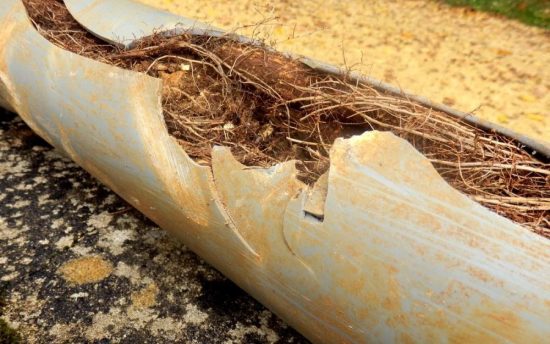
Orangeburg pipe was never designed for the long haul. Plumbing professionals generally put its expected service life at 50 years, sometimes less depending on soil conditions, water table, and the weight of vehicles or structures above the line. Because the material is essentially layered paper held together with tar, it is vulnerable in ways that modern PVC and cast iron are not, as it can absorb moisture and soften, blister and flake from the inside, or lose its round shape and collapse under the surrounding soil’s weight.
Tree root intrusion compounds the problem. Roots are drawn to the moisture inside a sewer line and can penetrate joints or weakened pipe walls, accelerating a collapse that might otherwise take years to develop. With most Orangeburg installations in the Sacramento, Stockton, and Modesto areas now well past the 50-year mark, many installed 60 to 80 years ago, local plumbers say it is less a question of whether these lines will fail than when.
Warning Signs Homeowners Should Watch For
Because Orangeburg pipe runs underground and is out of sight, many homeowners don’t know they have it until a problem surfaces. Common indicators include:
- Slow or gurgling drains in multiple fixtures at once, which often points to a blockage in the main line rather than an isolated clog
- Sewage backups in the lowest drains in the house.
- Sudden low spots, soft patches, or sinking areas in the yard along the suspected path of the sewer line
- Unusually lush or fast-growing grass in a strip of the yard, a sign that nutrient-rich wastewater may be leaking from a cracked line
- A home built between the mid-1940s and early 1970s that has never had its sewer lateral replaced or inspected
A sewer camera inspection is the most reliable way to confirm whether a home still has Orangeburg pipe and to assess its current condition before a full collapse forces an emergency repair.
How Roto-Rooter Can Help
For homeowners in the Sacramento, Stockton, and Modesto areas who suspect they may have aging Orangeburg pipe, Roto-Rooter offers several services designed to diagnose the problem early and address it with minimal disruption.
In-Home Inspections
Roto-Rooter provides in-home inspections, allowing homeowners to find out exactly what type of pipe they have and what condition it’s in before committing to any repair or replacement work.
Trenchless Pipe Replacement
In many cases, Roto-Rooter can replace a failing Orangeburg line using trenchless pipe replacement methods, which install a new pipe with minimal digging. This approach can spare homeowners the cost and disruption of tearing up driveways, patios, or landscaping to access the old line.
24/7 Local Emergency Service
Sewer line failures don’t wait for business hours. Roto-Rooter technicians serving the Sacramento, Stockton, and Modesto areas are available around the clock to respond to backups and collapses before they cause further damage to a home.
Local Expertise
Because so many homes throughout the Central Valley were built during the decades Orangeburg pipe was in common use, Roto-Rooter’s local teams have extensive hands-on experience identifying and replacing it and can advise homeowners on the most cost-effective path forward for their specific property.
Homeowners in the Sacramento, Stockton, or Modesto area who want to know what type of sewer line they have, or who are noticing any of the warning signs above, don’t have to search far. Typing “plumber near me,” “pipe repair near me,” or “pipe replacement near me” should take you no further than Roto-Rooter’s local crews, who can schedule a free in-home estimate and walk through the available options.
Frequently Asked Questions
How do I know if my home has Orangeburg pipe?
If your home was built between the mid-1940s and early 1970s and the sewer lateral has never been replaced, there’s a real chance it’s Orangeburg pipe. The only way to confirm it is with a sewer camera inspection, which a local plumber can perform to see the pipe’s material and condition firsthand.
Is Orangeburg pipe dangerous?
It isn’t a health hazard on its own, but a collapsed or blocked sewer line can cause sewage backups into the home, yard damage, and costly water damage if it isn’t caught early. The bigger risk is waiting until it fails completely rather than catching it through an inspection.
How much does it cost to replace a sewer line?
Cost depends on the length of the line, depth, soil conditions, and whether trenchless replacement is an option versus traditional excavation. Because every property is different, the most accurate way to get a number is an in-home inspection and estimate.
What’s the difference between pipe repair and pipe replacement?
Pipe repair typically addresses a localized issue, such as a single crack, blockage, or section of root intrusion. Pipe replacement involves installing an entirely new line and is usually recommended for Orangeburg pipe, since the material degrades along its full length rather than failing in just one spot.
Do I need to dig up my yard to replace the pipe?
Not necessarily. Often, trenchless pipe replacement can install a new line through the existing pathway with minimal digging, which often preserves landscaping, driveways, and patios that would otherwise need to be torn up.
How quickly can someone come out for an emergency backup?
Roto-Rooter offers 24/7 emergency service in the Sacramento, Stockton, and Modesto areas, so a search for “plumber near me” or “pipe repair near me” at any hour will connect you with a local technician.