There is a unique kind of dread that sets in when you realize the main drain line deep beneath your property is failing. This is the type of disruptive home emergency that can impact every single sink, shower, and toilet in your household.
When facing a major sewer issue, most homeowners find themselves caught in a stressful dilemma: Do you need a simple, localized spot repair, or is it time for a complete sewer line replacement?
Coupled with the fear of cost and damage to your home, you might also be concerned that a plumbing team will show up with heavy machinery and automatically start tearing up your carefully manicured yard, driveway, or patio. Fortunately, modern plumbing advancements have evolved significantly. Massive, destructive trench digging is no longer the automatic default option for underground pipe restoration. By evaluating the physical symptoms of your system, running precise diagnostics, and reviewing a long-term cost comparison, you can make a clear, well-informed decision for your home. If you suspect an issue, finding a trusted plumber near you who specializes in sewer line repair is the best way to regain absolute peace of mind.
The Critical First Step: Professional Sewer Camera Inspections
Because your sewer main is buried deep under soil and concrete, you can’t make accurate assumptions based on surface-level symptoms. Guesswork can lead to unnecessary digging, wasted money, and endless frustration. This is why a professional sewer camera inspection is a non-negotiable threshold for any accurate quote or repair strategy.
During this diagnostic process, a local plumbing technician feeds a waterproof, high-resolution, fiber-optic camera snake directly into your sewer cleanout. As the camera travels down the line, it transmits real-time video of the pipe’s interior to a monitor. The camera can help identify the root cause of drainage issues, including spotting offset pipe joints caused by shifting California soil or sewer bellies — sagging sections where water chronically pools. It also uncovers structural cracks, complete pipe breaks, heavy scale buildup restricting your water flow, and hidden tree root blocks seeking out moisture.
A reputable local technician will always take the time to walk you through the camera footage before quoting a solution. When you are searching for the best plumber near you, prioritize teams that use these high-definition diagnostics to give you clear, straightforward facts. Securing an accurate, visual assessment from dependable plumbers in your area ensures you only pay for the exact level of care your home actually requires.
When Sewer Line Repair Is the Smarter Choice
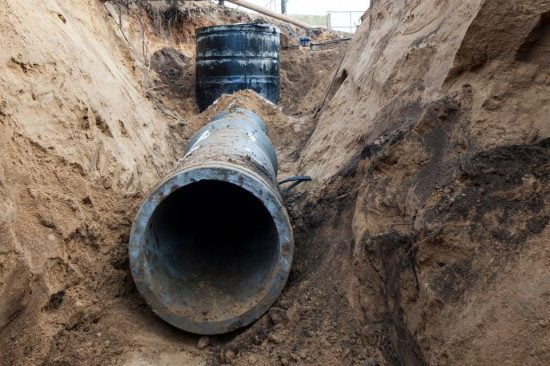
A full system replacement is an expensive over-correction if the structural integrity of your overall plumbing line is stable. If your pipe damage is localized to one specific, reachable area, a targeted sewer repair is often the smartest, most cost-effective move.
Early-stage root intrusion is a perfect example. Tree roots are naturally drawn to the warmth and moisture inside your sewer lines, squeezing through tiny hairline cracks in older pipe joints. If a camera inspection catches this issue early, you have reliable root intrusion solutions at your disposal. The roots can be mechanically cut away using specialized clearing blades or treated with targeted solutions to stop future growth, all without the need to tear up the entire line.
A repair also makes sense in the case of isolated section damage. Sometimes, a singular section of your pipe breaks due to a sudden ground shift or nearby construction, while the rest of the host pipe remains completely healthy and chemically stable. In this situation, a plumbing specialist can perform a precise spot repair. By opening a small, localized cleanout directly over the problem area, they can quickly swap out the fractured section for modern, durable PVC pipe, protecting your budget from a massive overhaul.
If you are currently looking up “sewer line repair near me” to handle a stubborn backup, remember to always weigh the current age and health of the pipe against the overall cost to replace the sewer line down the road.
Advanced Trenchless Technology: No-Dig Sewer Solutions
If your sewer line does require comprehensive rehabilitation, you do not automatically have to sacrifice your landscaping or driveway to a traditional trench. Modern trenchless sewer repair offers a clean middle ground, allowing specialists to restore or replace subterranean lines entirely underground.
One popular method is cured-in-place pipe lining (CIPP). This process involves inserting a flexible, epoxy-saturated resin sleeve directly into the damaged host pipe. Once positioned, the liner is inflated, pressing tightly against the old interior walls. After the resin cures and hardens, it creates a seamless, jointless pipe-within-a-pipe that restores smooth flow and eliminates leaks.
When your line requires a complete structural replacement, pipe bursting technology serves as a trenchless alternative. A heavy, pneumatic bursting head is pulled through the old, broken line using strong steel cables. As the head moves forward, it fractures the old clay or cast-iron pipe outward into the surrounding soil while simultaneously pulling a brand-new, high-density polyethylene pipe directly behind it.
Trenchless materials are engineered for maximum durability, often carrying a 50-year design life. Because these modern lines are completely seamless, they naturally resist future root penetration and soil movement, making them an exceptional lifestyle investment for your property.
When Full Sewer Line Replacement Is Unavoidable
While trenchless options and spot repairs are fantastic, they’re not universal fixes. Both pipe lining and pipe bursting require a reasonably stable host pipe framework to guide the installation equipment. There are specific, severe structural failures where traditional, open-trench excavation and a complete structural replacement are unavoidable.
A total pipe collapse is the most urgent of these situations. If your underground lines, particularly older, fragile Orangeburg pipes or severely corroded cast iron, have flattened under the heavy weight of the soil, trenchless tools cannot pass through. Look for critical pipe collapse indicators like sudden, deep sinkholes in your yard or raw sewage consistently backing up into your lowest household drains.
Severe pipe bellies and sags also demand traditional intervention. When sections of a sewer line sink deep into eroded soil pockets, the proper slope of the system is permanently ruined. Installing a liner inside a sagging pipe will not fix a gravity issue; the wastewater will still pool and cause chronic blocks. The line must be physically dug up, re-graded, and re-laid to ensure proper downward flow.
Finally, extensive material deterioration leaves very little choice. If a camera inspection reveals that an old pipe is deeply fractured, brittle, and decaying from end to end, patching individual sections is just a temporary fix. Upgrading the entire lateral line to smooth, modern PVC pipe via traditional excavation is the only permanent way to protect your property and stop the ongoing loop of emergency service calls. When calculating the total cost to replace a sewer line, a full replacement is often the safest, most responsible path forward for heavily compromised systems.
Long-Term Cost Comparison: Upfront vs. Collateral Expenses
When analyzing the financial side of a sewer project, it is essential to look beyond the initial plumbing quote. To truly understand the numbers, you must evaluate a thorough long-term cost comparison that factors in both direct plumbing rates and secondary property restoration fees.
On paper, traditional open-cut trenching might sometimes show a lower initial per-foot plumbing rate compared to advanced specialty trenchless machinery. However, traditional excavation often means tearing through mature landscaping, requiring expensive sod replacement and new plantings. It can involve ripping through concrete patios or walkways, breaking open asphalt driveways that will later need repaving, or even cutting into internal structural slabs.
When you add up the secondary bills required to rebuild your yard, restore your hardscaping, or repave a driveway, choosing a no-dig trenchless solution often saves property owners 30% to 50% on their overall project expenses. Treating a complete sewer line upgrade as a permanent, lifetime investment adds tangible structural value to your home while eliminating the threat of future underground emergencies. If you are balancing household budget constraints, speak with your plumbing team about our flexible financing options.
Choose Roto-Rooter: Transparent, Local Sewer Experts Near You
Making major decisions about your home’s sewer infrastructure requires a team backed by decades of verifiable local trust. At Roto-Rooter, we eliminate the stress and financial blind spots of underground pipe emergencies by providing comprehensive, in-person diagnostics, transparent flat-rate options, and accessible financing avenues tailored to your family’s needs.
We prioritize being the responsive, neighborly choice when you need plumbers near me. Our local California dispatch centers route neighborhood trucks quickly, providing 24/7 emergency response and diagnostic care without ever charging extra fees for weekends or holidays. Whether your home requires a precise spot repair, advanced trenchless technology, or a complete sewer line replacement, our licensed, insured master plumbers treat your property with the exact same respect we would give our own families.
Don’t let a clogged drain turn into a catastrophic property emergency. Contact your local Roto-Rooter branch today to arrange an expert, diagnostic-first sewer evaluation.
Frequently Asked Questions
How do I know if my underground system needs full sewer line replacement vs repair?
The choice between a full replacement and a localized repair depends heavily on the overall structural health of your pipe. A localized repair is ideal for handling isolated damage, such as a single cracked joint or early-stage root growth, provided the rest of the line is stable. However, if your system exhibits severe structural failures, such as a total collapse, extreme sagging, or end-to-end material decay, a comprehensive replacement is the only reliable option. A professional sewer camera inspection is the only way to accurately view the interior and make a safe, informed choice.
What is trenchless sewer repair and does it require digging up my lawn?
Trenchless repair is a modern, no-dig method used to rehabilitate or replace underground pipes without carving a massive, destructive trench across your property. Instead of tearing up your lawn, driveways, or patios, technicians utilize small, existing access cleanouts to service the line entirely underground. It allows you to resolve major pipe issues while keeping your landscaping, hardscaping, and outdoor living spaces intact.
How long does a brand-new trenchless cured-in-place pipe lining last?
Modern trenchless materials are engineered for exceptional durability and long-term performance. Cured-in-place pipe liners (CIPP) and high-density polyethylene replacement lines typically carry a 50-year design life. Because these advanced trenchless solutions create a smooth, completely seamless structural run, they naturally eliminate the joints where tree roots usually break in, giving your home a permanent, worry-free upgrade.
Does my local Roto-Rooter branch charge extra for weekend emergency sewer diagnostics?
No. Roto-Rooter believes that a high-stakes plumbing emergency shouldn’t be made more stressful by corporate premium pricing. Our local teams provide true 24/7 emergency response, meaning you receive the same straightforward flat-rate pricing, transparent communication, and expert care on weekends, nights, and holidays that you would during normal weekday business hours.
Can a complete structural pipe collapse be resolved without traditional excavation?
Unfortunately, a total structural pipe collapse cannot be resolved using standard trenchless methods. No-dig technologies like pipe lining and pipe bursting require a continuous, open host pipe pathway to safely guide the installation tools and sleeves. If an old line has completely flattened, pancaked, or collapsed under heavy soil weight, the path is blocked, making traditional open-trench excavation necessary to physically remove the debris and lay a durable new line.