What Owners of Homes Built Before 2007 Need to Know
The California Plumbing Code (CPC), part of Title 24 of the California Code of Regulations, now requires an accessible cleanout on a home’s drainage system, including one at or near the point where the building sewer leaves the house. Homes permitted under the modern, standalone California Plumbing Code that was first enforced in 2007 and updated in three year cycles since, were built to these accessible cleanout standards. Homes built or last re-piped before that code cycle of 2007 often predate the stricter accessibility rules, which means a real share of older California houses have a cleanout that’s missing, buried, undersized, or effectively unusable.
If you own a house that hasn’t had its sewer line touched since before 2007, it’s worth five minutes to find out whether you actually have a compliant cleanout before you need one in an emergency.
What Is a Plumbing Cleanout, and Why Does the Code Matter?
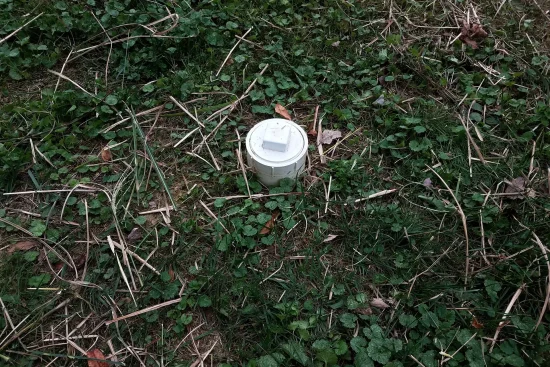
A cleanout is a capped fitting installed directly on your drain or sewer line that gives a plumber a straight, direct point of entry into the pipe. Instead of pulling a toilet, cutting into a wall, or climbing onto the roof to feed a cable down a vent stack, a plumber unscrews the cap and runs a snake or hydro-jetting hose straight into the line.
The California Plumbing Code treats cleanout access as a life-safety and property-protection issue, not a convenience feature. The core requirements, found in CPC Chapter 7, primarily Section 719.0, cover things like:
- A cleanout at the upper terminal of horizontal drain runs
- A cleanout at least every 100 feet of horizontal pipe run
- A cleanout at each significant change of direction greater than 45 degrees (cumulative changes over 135 degrees also require one)
- A two-way cleanout near where the building sewer exits the house and connects toward the public sewer or septic system
- Enough clearance, generally around 18–36 inches, depending on pipe size, for a drain cleaning machine to actually be inserted and operated
None of this is new in concept. Cleanout requirements existed in earlier Uniform Plumbing Code editions California used before it published its own standalone code. What changed with California’s move to its own Title 24, Part 5 Plumbing Code, first published in 2007, is that the state tightened, standardized, and made explicitly enforceable the accessibility rules: not just “a cleanout exists somewhere,” but that it’s reachable, sized correctly, and located where a plumber can actually use it without demolition.
Why “Before 2007” Matters for Older California Homes
Homes get their plumbing approved against whatever code edition was in force at the time of permitting, not the code in force today. A home permitted in 1995 was inspected against the code editions of that era, which had looser or less consistently enforced language around cleanout placement and access clearance.
In practice, that means pre-2007 homes commonly have one or more of these issues:
- No exterior cleanout at all. The only way to service the main line is by pulling a toilet or climbing onto the roof through the vent stack.
- A cleanout that’s been paved over, built over, or landscaped over. Concrete patios, driveway extensions, and mature landscaping frequently bury original cleanout caps.
- A cleanout with a frozen or stripped cap. Decades old cast iron or ABS caps corrode or over-tighten to the point they have to be cut off rather than unscrewed.
- Cleanouts placed where a machine can’t reach them. Older layouts sometimes tucked cleanouts into crawlspaces, tight side yards, or spots without the clearance the modern code requires.
- No two-way cleanout at the property line. Newer homes typically have one so a plumber or the municipal sewer crew can clear the line in either direction (toward the house or toward the street) without guessing which side the blockage is on.
None of these issues make a home unsafe to live in on their own. But they all turn a routine drain clog into a much bigger, more expensive job the day something actually backs up.
The Benefits of Having a Proper Cleanout
Faster diagnosis and cheaper repairs. A plumber with direct cleanout access can run a cable or camera straight into the line in minutes. Without one, the first step of every service call becomes “how do we even get into this pipe,” and that step often costs more than the clog itself.
No demolition to clear a blockage. Without a cleanout, common workarounds include pulling a toilet off its flange, cutting an access hole in drywall or a slab, or accessing the line through a roof vent. All three add labor, materials, and repair time that a cleanout would have avoided entirely.
Video inspection becomes possible. Sewer camera inspections, now standard practice for diagnosing root intrusion, bellies, offset joints, and pipe deterioration, require a clean, direct entry point. Without a cleanout, a full camera inspection often isn’t practical.
Protects against sewage backup damage. When a line is blocked and there’s no accessible cleanout, pressure has nowhere controlled to release. That backup pressure looks for the next weakest point, which is often the lowest fixture in the house, like a tub, shower, or floor drain, and is how a clogged line turns into raw sewage on the bathroom floor.
Smoother home sales and inspections. Many California home inspectors and some local ordinances specifically look for an accessible, functioning cleanout during resale inspections, particularly when a sewer lateral inspection is requested or required by the city or county. A missing cleanout can become a negotiation point or a repair credit request during escrow.
Lower long-term maintenance cost. Preventive maintenance, such as periodic jetting or camera checks on older clay or cast iron lines, is only cost-effective when a plumber can get in and out quickly. A missing cleanout discourages the preventive maintenance that would have caught root intrusion or corrosion early.
The Problems With Not Having One
Emergency plumbing costs more. Emergency drain service without a cleanout typically means excavation, toilet removal, or wall/slab access performed under time pressure, all of which carry a premium over a routine cleanout-based service call.
Bigger property damage risk. A backed-up line with no relief point pushes wastewater back through the path of least resistance inside the house. That’s how a single clog becomes a flooring, drywall, and possible mold remediation job.
Longer time without working plumbing. Locating a buried cleanout or improvising an alternate access point adds hours, sometimes a full extra visit, before a plumber can even start clearing the actual blockage.
Harder to catch problems early. Root intrusion, bellied pipe, and pipe corrosion are all easier and cheaper to catch and fix early with routine camera inspections. Without cleanout access, most homeowners only find out about these problems after a backup has already happened.
Complications during sewer line replacement or trenchless repair. Modern repair methods like pipe bursting and cured-in-place pipe (CIPP) lining rely on existing access points to insert equipment. No cleanout can mean an otherwise no-dig repair turns into a full excavation.
Potential code and resale friction. If a plumber has to do other work on your drain or sewer system, current code will generally require bringing cleanout access up to standard as part of the permitted work, so the fix often gets bundled into a bigger, less-planned project instead of being handled proactively on your own timeline.
How to Check If Your Home Has a Compliant Cleanout
- Walk the exterior perimeter of the house, especially along the path a sewer line would logically take toward the street. Look for a capped pipe, typically 3–4 inches across, sometimes with a raised or slightly domed cap, often near the foundation or property line.
- Check the garage, utility room, laundry area, and any crawlspace or basement access for an interior cleanout on a lower run of pipe.
- Pull your property’s original permit history through your city or county building department if you’re unsure when the home’s plumbing was last permitted.
- Ask a licensed plumber to locate it for you. If nothing turns up by eye, a plumber can use a pipe locator or camera to confirm whether a cleanout exists at all, or whether it’s simply buried or covered.
If your search comes up empty, the fix is a straightforward, permitted installation, not a full re-pipe. A licensed California plumber can tie a code-compliant two-way cleanout into your existing line, sized and located to meet current CPC clearance requirements.
Key Takeaways
- California’s Plumbing Code requires accessible cleanouts on residential drain and sewer lines, with location, spacing, and clearance rules formalized under the state’s standalone Title 24 Plumbing Code beginning in 2007.
- Homes permitted before that code cycle frequently lack a compliant, accessible cleanout or have one that’s buried, damaged, or unusable.
- Not having one doesn’t just risk inconvenience; it raises repair costs, increases backup damage risk, and can complicate a home sale.
- A missing cleanout is a simple, one-time fix worth doing on your own schedule rather than discovering it during a sewage backup.
Frequently Asked Questions
Is a sewer cleanout required in California?
Yes. The California Plumbing Code requires accessible cleanouts on drainage systems, including at the point where the building sewer connects toward the public sewer or septic system. Many cities and counties also have local ordinances reinforcing this requirement, particularly at property line connections.
How do I know if my house has a sewer cleanout?
Walk the exterior of your home near the foundation and along the likely path of the sewer line, and check interior spots like the garage, laundry room, or crawlspace. Look for a capped pipe roughly 3–4 inches in diameter. If you can’t find one, a licensed plumber can locate it with a pipe locator or confirm if it doesn’t exist.
Can I install a cleanout myself?
Cleanout installation ties directly into your sewer line and typically requires a permit and inspection in most California jurisdictions. It’s not a typical DIY project as improper installation can create leaks, code violations, or an access point that doesn’t actually meet clearance requirements.
Does every California home built before 2007 need a cleanout retrofit?
Not automatically. Many pre-2007 homes do have a functional cleanout, especially if the sewer line was replaced or upgraded at some point. The key is to verify rather than assume. If your home’s plumbing hasn’t been touched since the original construction, it’s worth confirming.
How much does it cost to add a sewer cleanout?
Costs vary by region, access difficulty, and whether excavation is needed, but installing a cleanout proactively is almost always cheaper than the alternative, such as accessing a blocked line during an emergency through a toilet, wall, or roof vent.
Will a missing cleanout affect selling my home?
It can. Some home inspectors and local sewer lateral inspection ordinances specifically check for an accessible cleanout. A missing one can surface as a repair request or negotiation point during escrow.
This article summarizes general California Plumbing Code (Title 24, Part 5) requirements for informational purposes. Cleanout requirements can vary by local jurisdiction and by the code edition in force when your home was permitted. For a definitive answer about your property, consult a licensed California plumber or your local building department.