For restaurant owners and food service managers across California, grease trap compliance is no longer something that can be pushed to the bottom of the to do list. Many businesses are discovering that inspections are happening more often, documentation requirements are stricter, and enforcement actions can become expensive when problems are ignored [8]. While the laws themselves may not have changed overnight, the way they are being enforced certainly has.
At Roto-Rooter, our plumbers help restaurants stay ahead of grease trap issues before they lead to backups, violations, or costly emergency calls. Understanding what is happening now can help your business avoid disruptions and protect your operation.
Why Grease Trap Enforcement Is Increasing
Cities and wastewater agencies throughout California are under growing pressure to reduce sewer overflows and protect public infrastructure. The California State Water Resources Control Board oversees the statewide Sanitary Sewer Overflow reduction program, which focuses on preventing spills and protecting waterways. One of the leading causes of sewer blockages is fats, oils, and grease, often referred to as FOG. When grease enters the drain system, it cools, hardens, and sticks to the inside of pipes. Over time, buildup restricts flow and can eventually cause major backups [1][2].
When a sewer line backs up, the result can include property damage, environmental contamination, unpleasant odors, and expensive cleanup costs. Because of that, local agencies are taking a more proactive approach. Instead of waiting for a problem to happen, inspectors are looking more closely at how restaurants manage grease on a daily basis [1].
What Inspectors Are Looking For
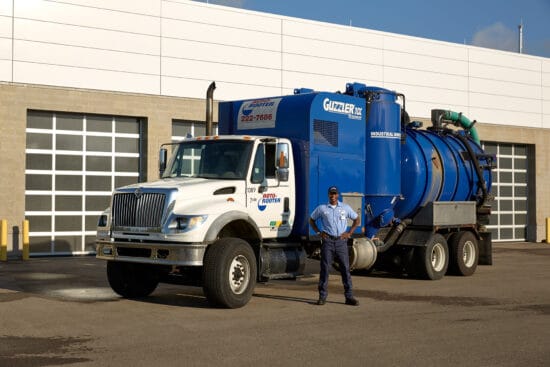
Today’s inspections often go beyond a quick glance at your grease trap. Many agencies want to see that the system is properly sized, accessible, maintained, and supported by accurate records.
Cleaning Frequency
A grease trap that is allowed to overfill can stop working effectively. Many municipalities expect traps to be cleaned before grease and solids exceed acceptable levels, often around 25 percent of capacity. For busy kitchens, that can mean monthly service. Even smaller operations may need more frequent cleaning than they did in the past [5][6][7].
Accessibility
If a grease trap is buried, blocked by equipment, or located in a hard to reach area, it can create problems during servicing and inspections. Older installations that once seemed acceptable may now receive closer attention, especially during renovations or changes in ownership.
Condition of Equipment
Cracked lids, damaged baffles, leaks, corrosion, or signs of neglect can raise red flags. A poorly maintained interceptor can fail when you need it most.
Recordkeeping
One of the biggest surprises for many operators is that paperwork matters just as much as pumping service. Inspectors may request cleaning logs, manifests, service invoices, and proof that waste was removed by a qualified provider. If records are missing, a business may still face violations even when the trap appears clean [5][6].
The Cost of Falling Behind
Ignoring grease trap maintenance can become expensive quickly. Costs may include:
- Municipal fines
- Emergency plumbing service
- Sewer line cleaning
- Business interruption
- Damage claims
- Repeat inspection fees
- Temporary closures in severe situations
Some California jurisdictions have imposed significant penalties when grease related violations contribute to sewer blockages or overflows. The financial impact of one preventable issue can easily exceed the cost of regular maintenance [3][4][5].
Why Proactive Service Matters
The smartest approach is to treat grease trap care as a routine part of operating your kitchen, just like food safety or equipment maintenance. A scheduled service plan helps reduce surprises and keeps your staff focused on serving customers.
Professional plumbers can inspect your system, identify warning signs early, and recommend the right cleaning schedule based on your kitchen volume. Every restaurant is different. A busy full service kitchen may need more frequent attention than a small café, but every food service operation benefits from a plan.
At Roto-Rooter, our plumbers work with restaurants, commercial kitchens, and food businesses throughout California to help prevent grease related plumbing issues before they turn into emergencies.
Best Practices for Restaurants
- Schedule regular grease trap pumping and inspections
- Keep service invoices and logs organized and easy to access
- Train staff not to pour grease down sinks or floor drains
- Scrape food waste into trash before washing dishes
- Watch for slow drains, odors, or backups
- Call licensed plumbers when issues appear
- Reevaluate older systems during remodels or ownership transitions
Small habits and consistent maintenance can make a major difference.
The Future of Grease Trap Compliance in California
This trend is unlikely to slow down. California continues to prioritize environmental protection, wastewater system performance, and stronger oversight. That means grease trap compliance is becoming a standard expectation for restaurants across the state, not an occasional concern.
Businesses that stay organized and proactive will be in the best position to avoid fines and unexpected repairs. Those that delay maintenance may find the cost of waiting is far greater than the cost of prevention.
Call Roto-Rooter for Commercial Grease Trap Service
If your restaurant needs grease trap pumping, drain cleaning, or help with recurring grease problems, Roto-Rooter is ready to help. Our experienced plumbers provide dependable commercial plumbing service throughout California and can help you stay compliant while keeping your kitchen running smoothly.
Sources
[1] California State Water Resources Control Board – Sanitary Sewer Overflow Program
https://www.waterboards.ca.gov/water_issues/programs/sso
[2] Moulton Niguel Water District – Fats Oils and Grease Information
https://www.mnwd.com/no-grease-oil-down-the-drain
[3] City of San Diego – Stormwater Enforcement and Penalties
https://www.sandiego.gov/stormwater/enforcement
[4] California Legislative Information – AB 1333 (Grease Hauler Regulations and Penalties)
[5] City of Orange – FOG Program and Sewer Requirements
[6] City of Stanton – Fats Oils and Grease Control Program
[7] Example Municipal Code – 25 Percent Grease Trap Rule Reference
[8] Kern County Utility Company – California Grease Trap Requirements Overview
https://kernuco.com/post/grease-trap-requirements-california